Anne R. Allen Post: Does Sex Sell?
Update: Anne R. Allen was gracious enough to leave a comment here and I think it's important for anyone reading this post to check it out in the comment section.
According to a weak blog post over at Passive Guy whether or not sex sells is up for debate over at Anne R. Allen's blog. I've been a fan of Allen's for a long time and I love her work and I love her blog, too. And I actually agree with a good deal of what she posted, but I also think it was highly clever of her to actually write post about sex selling because posts about sex garner more hits than posts about Christmas cookies and kittens, which in a way suggests in itself that sex sells. Passive Guy is even cleverer: he just linked to a post about sex and snagged hits. I know this as a blogger and I understand search engines. In other words, Passive Guy and Anne R. Allen did NOT post about Christmas cookies and kittens to get blog readers to actually read their posts. They posted about sex and a sex related topic. They got hits. This makes me smile.
Allen begins her post talking about how her publisher asked her to remove a sex scene and she was worried about doing this. Not because the publisher might have been censoring her. But because she was worried the book wouldn't sell as well. Then she mentions how so many have copied Fifty Shades of Grey and how publishing is on overload with fakes trying to duplicate the E.L James success. She's right about that. I've seen it myself and I've been writing erotic romance for almost twenty-one years and I've never seen so many jump onto the proverbial bandwagon of the Fifty Shades success. However, there hasn't been one single mega hit since FS, and I actually did post about this a while back when FS first hit the market. In my post I compared the success of FS to the old novel, Peyton Place.
After reading so many opinions about FSoG, I can't help thinking about books from the past that have jumped unexpectedly into the mainstream, with all the hype and promise that FSoG has had so far. If you go way back, way before my time, "Peyton Place," was one of those books. For its time period, PP had all the elements that FSoG has today. And yet as far as I know there was only one book like PP ever published with that kind of phenomenal success. I'm sure there were other books published like PP after it became so popular, but none ever reached the pinnacle of PP. Even the author of PP, Grace Metalious, never reached that level of success again.
Allen moves on in her post to discuss a great deal of what's been happening in the past months with web sites where e-books are sold and how they've been censoring books. She doesn't use the word censoring, but it is what it is and I see no reason to not use it. Toni Morrison has been censored, and so have other high profile authors. But Allen's point seems to be that all books are judged by robots and even though erotic romance authors like me don't break the rules with regard to taboo content, some authors do and the rest of us get lumped in with them and now we all have to watch out for words that might affect us without cause. And yet TV shows like American Horror Story: Coven can get away with taboos like bestiality, rape, incest, pedophilia, and more. They win awards for it. I posted about that here. And I've written many posts on censoring books.
The most important thing to take into consideration here is that Anne R. Allen is talking about sex in mainstream novels, not sex in genre fiction...at least I think so.
With so much explicit "mommy porn" available to peruse discretely on our e-readers, maybe the time has come when we no longer need to sprinkle our mainstream books with those titillating scenes that became de rigueur in the heyday of "steamy" novels by authors like Jacqueline Susann and Harold Robbins. (As Spock called them in Star Trek IV..."the giants.")
At the moment, I think writers need to treat sex scenes like adverbs. We should always ask ourselves, "is this necessary to the story?"
However, if you are an established author you have to know who you are and who your audience is. I actually did something I never thought I would do by self-censoring my book, Chase of a Dream. When I released the book on my own terms in two different versions, one with sex and one without, I had no idea what to expect. Though I only removed 7,000 words from the original book, the one without sex just sat there and did nothing while the book with the sex scenes did better than I ever thought it would. And I'm still getting e-mails from readers who made the mistake of buying the self-censored version instead of the original version with sex, and I'm still giving them returns from my own files. So my readership told me in plain and simple terms they want sex in books. But my readership is geared toward men and women who want to read gay erotic romance, with sex scenes. And if I did any less than that I would be letting them down and I have no intention of doing this to my readers. In fact, Allen's post only makes me want to write more sex.
So while I do agree with Allen's post in a general sense, I also think this might be one of those times you really have to know who you are and where you're going with your writing. There's nothing wrong with sex in books, there's nothing wrong with the people who like to read books with sex in them, or the authors who like to write sexy books. I really don't care about whether or not sex sells. I honestly don't, and never really did. The only reason I'm posting about this right now is because erotic romance authors have been taking slams from holier than thous since the beginning of time as we know it and I think it's high time someone started saying it's okay to have sex in books, too.
It's also time for erotic romance writers to stop being treated like second class citizens in publishing as well. If it hadn't been for E. L. James and Fifty shades of Grey, a lot of people in publishing wouldn't have had bonus checks this year.
Censored Gay Sex Scene From Here to Eternity
Speaking of sex and censorship, I think this next article is interesting compared to what I wrote above. Evidently, there were scenes taken out of From Here to Eternity right from the start by none other than the publisher. And, gay sex, too. Someone get my smelling salts.
The original manuscript of From Here to Eternity went into "great detail" about the kinds of sexual favours soldiers like Private Angelo Maggio, played in the film by Frank Sinatra, would provide to rich gay men for money, Kaylie Jones revealed in an article written for US news website the Daily Beast.
"'I don't like to be blowed [by a man]'," the novel's hero Private Robert E Lee Prewitt tells Maggio in a section cut from the novel. "Angelo shrugged," writes James Jones. "'Oh, all right. I admit it's nothing like a woman. But it's something. Besides, old Hal treats me swell. He's always good for a touch when I'm broke. Five bucks. Ten bucks. Comes in handy the middle of the month ... Only reason I let Hal blow me is because I got a good thing there. If I turned him down I'd blow it sky high. And I want to hang onto that income, buddy.'"
James Jones, author of the book, originally fought being censored. His daughter now thinks the original book was better. But at the time there was a Catholic group pressuring publishers to censor books.
You can read more here. I highly recommend it, especially in these trying days of everyone telling us how they feel about sex in books, and what's too much, what's too little, and what sells.
Photo above with link is in the Public Domain.
An objective look at LGBT issues, fiction, book publishing, pop culture, and romance novels that may or may not be erotic romance, by a real gay author using his real name. Over 2 million posts since 2008.
Showing posts sorted by relevance for query Anne R. Allen. Sort by date Show all posts
Sunday, November 10, 2013
Tuesday, July 25, 2017
Anne R. Allen's "Controversial" Post About How Writing Fiction Evolves; Beloved Gay Israeli Pop Star Dies; People Are Pissed At the Thought of Prince George Being Gay
Anne R. Allen's "Controversial" Post About How Writing Fiction Evolves
In the early Internet days, during a time when there were tons of literary agent blogs from which to pick and choose, I read an interesting post by a literary agent about how fiction evolves. In short, she said that a great many of the classic novels we know and love from the past would most likely never be published today because no one would bother to read them. At the time I didn't quite get that, but I do now. And it's a topic that always creates controversy from those who have not been published yet.
It's really not a "controversial" post, but I put that in quotes because so many people seem to want to argue this point.
To put this in a different perspective, writing fiction is a lot like comedy. The jokes that were funny 100 years ago...or even 50 years ago...just aren't as funny today. Communication and language evolve over time. Everything changes.
In any event, here's an excerpt from Anne R. Allen's Post...
Reading the classics of world literature is a great way to educate yourself and learn how the power of words can expand the mind and increase our knowledge of the human condition. We can learn a huge amount from them. All writers need to read the masters.
But it’s not a good idea to imitate them when we write our own books–or assume that reading War and Peace will teach us everything there is to know about writing fiction.
You can read the entire post in full, here. One of the things I'm always conscious of when writing fiction for current markets is the way I add technology. I'm writing about new adults for the most part and if I wasn't up on current tech advances my characters wouldn't be very relevant. Of course if you're writing about senior citizens you might think that's a different story...but not always. My own mom was 80 years old and she was reading e-books on her iPhone just a few years ago.
Beloved Gay Israeli Pop Star Dies
This is sad news about Amir Fryszer Guttman. I'm not overly familiar with his work, but I remember reading about him a few times while searching for various blog posts.
On Sunday, Guttman was vacationing on the beach in Atlit with his family when his 9-year-old niece began struggling in the water. Guttman dove in to help her. He grabbed the girl and lifted her in the air, letting himself bear the brunt of the waves.
When they were eventually pulled to shore by a group of surfers, the child was fine but Guttman had stopped breathing. He was rushed to a nearby hospital, where he was later pronounced dead due to organ failure. He was 41-years-old.
There's more here. RIP.
People Are Pissed At the Thought of Prince George Being Gay
This kind of thing always bothers me, and I see it come from ALL directions. I've had reactions to blog posts I've written here about the possibility that Richard Burton may or may not have been gay. The instant you even suggest that someone who isn't supposed to be gay just might be gay certain people go berserk. As if it's a crime to be gay, or there's so much shame in being gay. And I find that mindset insulting and stupid. Because there's NOTHING wrong with being gay.
In the photo, Prince George, who turned four last week, is dressed in a chic red checkered shirt and navy shorts with a slight bend in his knees and his hands on his face. It is perhaps one of the cutest things we’ve ever seen.
But leave it to some internet trolls to ruin it. Shortly after the picture went viral, people began speculating about the child’s sexuality, even cracking jokes about it:
Here's the rest.
In the early Internet days, during a time when there were tons of literary agent blogs from which to pick and choose, I read an interesting post by a literary agent about how fiction evolves. In short, she said that a great many of the classic novels we know and love from the past would most likely never be published today because no one would bother to read them. At the time I didn't quite get that, but I do now. And it's a topic that always creates controversy from those who have not been published yet.
It's really not a "controversial" post, but I put that in quotes because so many people seem to want to argue this point.
To put this in a different perspective, writing fiction is a lot like comedy. The jokes that were funny 100 years ago...or even 50 years ago...just aren't as funny today. Communication and language evolve over time. Everything changes.
In any event, here's an excerpt from Anne R. Allen's Post...
Reading the classics of world literature is a great way to educate yourself and learn how the power of words can expand the mind and increase our knowledge of the human condition. We can learn a huge amount from them. All writers need to read the masters.
But it’s not a good idea to imitate them when we write our own books–or assume that reading War and Peace will teach us everything there is to know about writing fiction.
You can read the entire post in full, here. One of the things I'm always conscious of when writing fiction for current markets is the way I add technology. I'm writing about new adults for the most part and if I wasn't up on current tech advances my characters wouldn't be very relevant. Of course if you're writing about senior citizens you might think that's a different story...but not always. My own mom was 80 years old and she was reading e-books on her iPhone just a few years ago.
Beloved Gay Israeli Pop Star Dies
This is sad news about Amir Fryszer Guttman. I'm not overly familiar with his work, but I remember reading about him a few times while searching for various blog posts.
On Sunday, Guttman was vacationing on the beach in Atlit with his family when his 9-year-old niece began struggling in the water. Guttman dove in to help her. He grabbed the girl and lifted her in the air, letting himself bear the brunt of the waves.
When they were eventually pulled to shore by a group of surfers, the child was fine but Guttman had stopped breathing. He was rushed to a nearby hospital, where he was later pronounced dead due to organ failure. He was 41-years-old.
There's more here. RIP.
People Are Pissed At the Thought of Prince George Being Gay
This kind of thing always bothers me, and I see it come from ALL directions. I've had reactions to blog posts I've written here about the possibility that Richard Burton may or may not have been gay. The instant you even suggest that someone who isn't supposed to be gay just might be gay certain people go berserk. As if it's a crime to be gay, or there's so much shame in being gay. And I find that mindset insulting and stupid. Because there's NOTHING wrong with being gay.
In the photo, Prince George, who turned four last week, is dressed in a chic red checkered shirt and navy shorts with a slight bend in his knees and his hands on his face. It is perhaps one of the cutest things we’ve ever seen.
But leave it to some internet trolls to ruin it. Shortly after the picture went viral, people began speculating about the child’s sexuality, even cracking jokes about it:
Here's the rest.
Kendle's Fire
A PG Rated Gay Romance
Not All Gay Books Have Sex
Wednesday, May 8, 2013
Delaware Passes Gay Marriage; Anne R. Allen on Internet Gang Culture
Now that Delaware has passed a same sex marriage bill it will become the 11th state in the US to legalize same sex marriage, and gay couples in Delaware can start getting married July 1 as soon as the law takes effect. The interesting thing about this is that Delaware already had legal civil unions.
Delaware’s same-sex marriage bill was introduced in the Democratic-controlled legislature barely a year after the state began recognizing same-sex civil unions. The bill won passage two weeks ago in the state House on a 23-18 vote.
While it doesn’t give same-sex couples any more rights or benefits under Delaware law than they have in civil unions, supporters argued that same-sex couples deserve the dignity and respect of married couples. They also noted that if the U.S. Supreme Court strikes down the Defense of Marriage Act, which bars married gay couples from receiving federal benefits, civil unions would not provide protections or tax benefits under federal law to same-sex couples in Delaware.
Read more: http://swampland.time.com/2013/05/07/delaware-to-become-11th-state-with-gay-marriage/#ixzz2SiGlKDtx
The opposition in Delaware said this:
“We’re about to change the entire definition of marriage in order to make people feel good about themselves,” said the Rev. Chuck Betters, pastor of Glasgow Reformed Presbyterian Church in Bear. Betters recounted how he became the subject of scathing attacks in social media recently after posting a sign outside his church suggesting that Christianity was more powerful than the movement for gay marriage.
Just for the good Rev's information: you are not about the change anything to make me feel good. I already feel good, thank you. You are about the change the definition of marriage in order to give everyone the equal rights they deserve. And you won't even notice the change because we've been around forever and we've been in long term relationships forever. So calm yourself. In fact, you should be more worried about straight people in their twenties and thirties who aren't getting married these days. I have a few close to me and I'm always worried about them. In other words, there's a serious disconnect somewhere within the straight community, Rev., and you're not going to fix it by bashing gay people who are looking for nothing more than equal rights.
In any event, Wilmington, DE, is only an hour away from here, and Tony and I go there often to see friends, to spend time in Rehoboth Beach, and even to check in on people in hospitals. They have some of the best hospitals in the country. And if you're ever traveling the 95 corridor and you pass through Delaware, check out the little old town of Old New Castle. It's only a few miles off track from I95 near the Delaware Memorial Twin Bridges, it sits on the banks of the Delaware River where the river opens up to the bay, and you'll think you stepped back into the 18th century. I've done done some very serious antique shopping there, too. It's very gay friendly. And in the l990's I actually won a "Best Buns" contest at a nightclub in Wilmington...but I digress.
Photo of Delaware Memorial Twin Bridges attribution.
Anne R. Allen on Internet Gang Culture
In this brave and eloquent blog post, author Anne R. Allen talks about "Gangs of the New Media" and something we've all either had to deal with, or will have to deal with, which is basically bully/gang culture. No one is exempt. It can happen to authors, readers, consumers, reviewers...or anyone involved in any Internet activity. I've heard about it happening in online poker forums, and I've heard about it happening in book forums. I've seen it on Yelp, and I don't even go near Huff Po comments anymore. I've posted before that I had to enforce comment moderation here on this blog for reasons that included a death threat. And I'm not the only one who has experienced this, as you can see below from Allen's post:
I’ve seen dozens of good people attacked by gangs on social media in the past year or so. Usually for unverified infractions of murky rules. I’m not sure the people who sent me death threats even knew what I was supposed to have done. (I’m still not clear on that myself.) They only knew somebody told them the hive was under attack, and I was the designated villain.
Plus they were getting a rush from their own smug, self-righteous rage.
I also like the fact that Allen mentions the cyber attacks on Barry Eisler that were recently mentioned on Joe Konrath's blog. These attacks didn't come from the usual sources. This quote below is from Konrath's blog where Barry Eisler wrote a guest post about what happened on Twitter when he began a speech at a recent publishing event:
Agent Janet Reid of Janet Reid Literary advised that it's a mistake to even attend a conference where I'm speaking (apparently it's not sufficiently protective to boycott just me; you have to boycott the entire conference). Agent Pam van Hylckama Vlieg of Larson Pomada tweeted that she wanted to walk out, though she didn't. Agent Barry Goldblatt of Barry Goldblatt Literary tweeted, "I had to be restrained in my seat. What a douche!" (Goldblatt subsequently retracted the name-calling aspect).
This is nothing new to me. I wish I could say I'm shocked, but I'm not. What I find highly amusing is that one person mentioned in the above paragraph was allegedly involved in a shitstorm of their own not longer than six years ago. It involved online bully/gang tactics, a lawsuit that's been one of the most toned down events in the blogsphere, a rather high profile online fake identity and blog, and the quick disappearance of one high profile publishing blog. Oh, that was entertaining. One day here, gone the next, and no one really ever knew what happened.
And what a shame to see a group of literary agents, publishing professionals who've been preaching about being professional for years, behave this way on social media like Twitter where everything is exposed. It bothers me to see professionals act this way, and also validates a lot of the things I've suspected for a long time.
In any event, Allen offers a list of solutions for anyone who is engaged in an online gang attack that covers a good deal of territory. I've reached the point where I wouldn't hesitate to contact the authorities and my attorney. I used to think it wasn't all that important and shrug it off as the Internet. My skin is thick in that sense, and I honestly don't give a damn most of the time. But I've been looking at things differently lately for reasons that include all of the above and more. I've said this before: I have a feeling this old wild west attitude on the Internet isn't going to last much longer. And people are going to have to pay prices for their actions on the Internet. I know two people in law school right now who are planning to specialize in Internet law, which would cover things like bully/gang attacks, defamation, and harmful threats.
Saturday, August 24, 2013
Anne R. Allen on Blogging; Beekman Mortage Lifter; The Bluest Eye Called Porn
Anne R. Allen on Blogging
There were so many things I wanted to post about last week and didn't get a chance, and this is one of them. Anne R. Allen is a blogger and author I've posted about before. And now she's giving advice about blogging that I thought was interesting. She is, from what I've seen, the consummate blogger.
If you are interested in trad publishing, this quote below is good advice. In full disclosure, I have not followed most of these blogs in a while. However, I still do follow one of them (Bransford's) and I usually find something worthwhile. The only reason I don't follow the others is because I don't need to know anything more about querying. But if you don't know anything about querying, I suggest you find blogs like these to learn about it. It's a skill that will follow you throughout your publishing career, especially when it comes to writing your own book descriptions for your published works. It's important to "hook" an agent with a good query. It's 1000 times more important to "hook" readers with your book description. And that book description not only has to hook the reader, but also be accurate. If not, you will pay a price with reviewers.
If you hope for a traditional publishing career, you should also be regularly visiting agents' blogs like Janet Reid's and Kristen Nelson's and former agent Nathan Bransford's to find out how the traditional publishing process works. You can also interact with other writers who comment on the blog.
This is important, too.
Your blog can spin a good yarn, make people laugh, provide information, or all three, as long as you put it in your own honest, unique voice and you’re not too whiny or preachy. (Although experts generally advise against fictional yarns. More on that below.)
In other words, keep it real and don't screw around. I've seen what has happened to some authors who created fake blogs and it wasn't pretty. I actually once made the mistake of starting an author blog with a pen name and I started such a category five shitstorm without even realizing it I shuttered the blog after two weeks and never returned to it. It freaked me out, and that's not easy to do.
The Internet can be a nice place, but also a mean place, and if something doesn't add up on your blog, there will always be someone who can't wait to expose you, even if you are harmless. I've always prided myself on the fact that I can stand behind everything I publish here on this blog, and I've never had any regrets. It also gives you leverage and freedom, not to mention the ability to sleep well at night.
The only thing I can add to this is that you want to stick with it. You don't have to blog every day. But you want to keep some kind of consistency going. As a blog reader, nothing bothers me more than going to a blog and seeing the blogger hasn't posted anything for over a month. What happens is people lose interest and they don't come back.
Beekman Mortgage Lifter
I've posted about "The Beekman Boys" before a few times. I'm on their mailing list and I've been following their mortgage lifter plan. (I think Tony and I need one of those mortgage lifter plans, too. Maybe we could raise pachysandra; we have two acres of it here.) In any event, this is what they are doing now.
From my inbox:
The woman who helps us with our book-keeping (math is not our strong suit,) recently got an email from the company who makes accounting software, Intuit. Apparently Intuit is hosting a contest in which they will pay for a 30 second commercial during the Super Bowl for one lucky small business.
We immediately thought of our "Mortgage Lifter" sauces. As you know, 25% of the profits from all "Mortgage Lifter" products go towards helping struggling small farms. Our goal is to get "Mortgage Lifter" products into every major supermarket.
How cool would it be to have a commercial all about helping small farms in the freakin' Super Bowl?! And think of the money that would be raised for farmers!
So, to get through this first phase of the contest, we need your vote. Please go to this link to our entry, scroll a bit down, and hit the "Vote" Button.
There are also a few other things of interest going on at Beekman.
The one hour video special about our wedding will be available for downloading on Amazon on September 21st! Until then, our friends at the production company are releasing one teaser video each week- with PolkaSpot herself as narrator!
You can check that out here. And here.
The Bluest Eye Called Porn
You know how I'm always talking about how there's no set definition of porn, even though some people decide to define porn on their own terms all the time. Well, I think this is the perfect example of that. They are now calling Toni Morrison's classic novel, The Bluest Eye, porn. And, the entire post to which I'm linking has put a spin on something serious and made it sound frivolous and wrong. I've read The Bluest Eye multiple times, at various points in my life, and I have never once considered this book to be porn or obscene. In fact, it's one of the most important books I think I've ever read in my life. It changed me, and when a book can change you there's something more to it than just words and sentences on a page.
The Bluest Eye is the story of Pecola Breedlove, a young black girl, who prays every day for beauty: for the blond hair and blue eyes that she believes will allow her to fit in. As her life begins to disintegrate in the face of adversity and strife, such as being raped by her father and beaten by her mother, she finally appeals to Soaphead Church, a pedophile, to help her attain blue eyes. After being impregnated by her father, she loses her baby and ultimately loses her mind.
Read more at http://politichicks.tv/column/warning-graphic-common-core-approved-child-pornography/#qh4T64JIkUhQiMmi.99
The reason this all came about is because The Bluest Eye is on a list for 11th graders. That's a junior in high school.
When the blogger says this I cringe when I read it.
I understand that after reading those excerpts a lot of you may be angry that this is approved for reading in any school. I could probably end the article here.
Either she hasn't read the book in full, has no empathy or understanding of the cultural aspects handled in the novel, or she just wanted to put a spin on something controversial to get attention.
If you have not read The Bluest Eye, I highly recommend you go out and find a copy. It is not porn.
There were so many things I wanted to post about last week and didn't get a chance, and this is one of them. Anne R. Allen is a blogger and author I've posted about before. And now she's giving advice about blogging that I thought was interesting. She is, from what I've seen, the consummate blogger.
If you are interested in trad publishing, this quote below is good advice. In full disclosure, I have not followed most of these blogs in a while. However, I still do follow one of them (Bransford's) and I usually find something worthwhile. The only reason I don't follow the others is because I don't need to know anything more about querying. But if you don't know anything about querying, I suggest you find blogs like these to learn about it. It's a skill that will follow you throughout your publishing career, especially when it comes to writing your own book descriptions for your published works. It's important to "hook" an agent with a good query. It's 1000 times more important to "hook" readers with your book description. And that book description not only has to hook the reader, but also be accurate. If not, you will pay a price with reviewers.
If you hope for a traditional publishing career, you should also be regularly visiting agents' blogs like Janet Reid's and Kristen Nelson's and former agent Nathan Bransford's to find out how the traditional publishing process works. You can also interact with other writers who comment on the blog.
This is important, too.
Your blog can spin a good yarn, make people laugh, provide information, or all three, as long as you put it in your own honest, unique voice and you’re not too whiny or preachy. (Although experts generally advise against fictional yarns. More on that below.)
In other words, keep it real and don't screw around. I've seen what has happened to some authors who created fake blogs and it wasn't pretty. I actually once made the mistake of starting an author blog with a pen name and I started such a category five shitstorm without even realizing it I shuttered the blog after two weeks and never returned to it. It freaked me out, and that's not easy to do.
The Internet can be a nice place, but also a mean place, and if something doesn't add up on your blog, there will always be someone who can't wait to expose you, even if you are harmless. I've always prided myself on the fact that I can stand behind everything I publish here on this blog, and I've never had any regrets. It also gives you leverage and freedom, not to mention the ability to sleep well at night.
The only thing I can add to this is that you want to stick with it. You don't have to blog every day. But you want to keep some kind of consistency going. As a blog reader, nothing bothers me more than going to a blog and seeing the blogger hasn't posted anything for over a month. What happens is people lose interest and they don't come back.
Beekman Mortgage Lifter
I've posted about "The Beekman Boys" before a few times. I'm on their mailing list and I've been following their mortgage lifter plan. (I think Tony and I need one of those mortgage lifter plans, too. Maybe we could raise pachysandra; we have two acres of it here.) In any event, this is what they are doing now.
From my inbox:
The woman who helps us with our book-keeping (math is not our strong suit,) recently got an email from the company who makes accounting software, Intuit. Apparently Intuit is hosting a contest in which they will pay for a 30 second commercial during the Super Bowl for one lucky small business.
We immediately thought of our "Mortgage Lifter" sauces. As you know, 25% of the profits from all "Mortgage Lifter" products go towards helping struggling small farms. Our goal is to get "Mortgage Lifter" products into every major supermarket.
How cool would it be to have a commercial all about helping small farms in the freakin' Super Bowl?! And think of the money that would be raised for farmers!
So, to get through this first phase of the contest, we need your vote. Please go to this link to our entry, scroll a bit down, and hit the "Vote" Button.
There are also a few other things of interest going on at Beekman.
The one hour video special about our wedding will be available for downloading on Amazon on September 21st! Until then, our friends at the production company are releasing one teaser video each week- with PolkaSpot herself as narrator!
You can check that out here. And here.
The Bluest Eye Called Porn
You know how I'm always talking about how there's no set definition of porn, even though some people decide to define porn on their own terms all the time. Well, I think this is the perfect example of that. They are now calling Toni Morrison's classic novel, The Bluest Eye, porn. And, the entire post to which I'm linking has put a spin on something serious and made it sound frivolous and wrong. I've read The Bluest Eye multiple times, at various points in my life, and I have never once considered this book to be porn or obscene. In fact, it's one of the most important books I think I've ever read in my life. It changed me, and when a book can change you there's something more to it than just words and sentences on a page.
The Bluest Eye is the story of Pecola Breedlove, a young black girl, who prays every day for beauty: for the blond hair and blue eyes that she believes will allow her to fit in. As her life begins to disintegrate in the face of adversity and strife, such as being raped by her father and beaten by her mother, she finally appeals to Soaphead Church, a pedophile, to help her attain blue eyes. After being impregnated by her father, she loses her baby and ultimately loses her mind.
Read more at http://politichicks.tv/column/warning-graphic-common-core-approved-child-pornography/#qh4T64JIkUhQiMmi.99
The reason this all came about is because The Bluest Eye is on a list for 11th graders. That's a junior in high school.
When the blogger says this I cringe when I read it.
I understand that after reading those excerpts a lot of you may be angry that this is approved for reading in any school. I could probably end the article here.
Either she hasn't read the book in full, has no empathy or understanding of the cultural aspects handled in the novel, or she just wanted to put a spin on something controversial to get attention.
If you have not read The Bluest Eye, I highly recommend you go out and find a copy. It is not porn.
Wednesday, December 18, 2013
Full Frontal Nude Craig Parker; Anne R. Allen Collectives; Noah Lukeman The First Five Pages
Full Frontal Nude Craig Parker
Someone who knows I find the lack of male full frontal nudity in films interesting sent me a link to a full frontal nude of actor, Craig Parker. He's from New Zealand and he's been in films like The Fellowship of the Ring and Spartacus.
From the way it looks, Parker is taking a selfie in a shower, with full frontal that doesn't get much more detailed than this. And it's times like this I wonder why we rarely see much full frontal in films. The photo is actually something I would consider more artistic than erotic. I guess that's subjective, though.
You can check that out here. I can't post it for copyright reasons. The photo above of Parker is from wiki commons, link on photo itself.
Anne R. Allen Collectives
There's a post over at Anne R. Allen's blog that discusses an interesting concept: author collectives. From what I gather what this means in a general sense is that several authors form their own indie publishing collaborative and they all work together instead of working alone. It's not actually like working with a small press, and it's not the same as going totally indie because the authors have the collaborative experience. The books and authors don't necessarily have to be in the same genre either.
The author collective offers a way to have the best of both worlds. If you're a "team player" who wants the control indie publishing offers, but you don't want to go it alone, the collective may be for you. But you do need to choose your team carefully, and dedication is a must, as you will see from Liza's story.
I have to admit I'm intrigued by this, and not just because I'm a fan of Allen. I've worked with many small presses over the years and I've always preferred working with them over indie publishing because I get that collective experience. All of my books published by presses have been a collaborative effort from a developmental POV in every single case. In other words, when I did the Virgin Billionaire series, the concept was born through the publisher, we brainstormed about it more than once, and we continued to collaborate right down to the cover. The only thing I actually did alone was write the books.
I love indie publishing, too. But with all my indie books everything from developmental editing to cover choices I did on my own without any collaboration at all. I hired people to execute my ideas for the cover. I had a copy editor. But the entire concept was mine and frankly I'm not always that comfortable going it alone that way. It's hard to be objective about anything creative. And I actually crave the creative input.
In any event, you can read more here about author collectives on Allen's blog. I think I've actually been doing some of these things without even knowing it with other authors all along. Behind the scenes we talk about covers, look for input, and just this week I helped another author decide something more developmental.
Noah Lukeman The First Five Pages
I think I've posted about this before, but I wanted to mention it again because I see so many new writers all the time searching for how to do the right thing. And there's so much information on the Internet it's often hard to choose what's right and what's wrong. Those who read this blog often know I'm not anti anything and I hate to give advice. I support trad publishing as much as I support indie publishing and everything that comes in between those two extremes. I also think it's important to work with a great literary agent if you're lucky enough to land one because it will usually help your career move forward. I never actually signed a contract with one agent in particular. But I have worked with an agent in the past, we have always had an off-the-record agreement, and I wouldn't do anything significant with my career unless I contacted her first and got her on board. Although most of my e-books have been sold by me without an agent, the times I've garnered work through this agent have been very productive (a publishing deal with Alyson Books for An Officer and His Gentleman). And one of my dearest friends in the world whom I've known for almost twenty years has been a NY literary agent for almost forty years. Our friendship happened through coincidence and the fact that he has a weekend home in New Hope. We've never actually worked together and we never will because you don't mix friendship with business, but I sometimes ask him advice off the record, too. So I don't think it's even possible to explain how much respect I have for good literary agents.
There's also another agent who changed my entire concept/outlook on publishing. I've never met him or even contacted him, but I read his book, The First Five Pages, and that book changed the way I thought about publishing and querying agents. His name is Noah Lukeman and he blogs here (regularly for the most part). The blog is great, but it was the book, The First Five Pages, that helped me most. Though it was written about a decade ago and many things in publishing have changed since then, it was his advice on how editors and agents look for material that helped me the most. It's hard for me to explain in one short post, but the book taught me what not to do when querying or pitching by showing me what most editors and agents look for at a glance. The key phrase here is "at a glance." They get so many queries they learn how to look at them fast and it's the writers that do things right that get attention. It's the little things like whether or not the narrative is balanced with the dialogue. If there's nothing but dialogue (or nothing but narrative) at a glance it could hurt an author's chances. I know all this sounds very technical, and it has little to do with actual storyline. I also know every writer has a different voice and style. But when you're querying an agent or editor the goal is to hook them fast, at a glance, and draw them into the book with what often turns out to be just the first five pages. Think audition: if the first few lines of the song you're singing on stage suck, they'll call you, don't call them.
After I read Lukeman's book several times I had that proverbial "Ah-Ha" moment and it all seemed to click for me. I'd already been published in many books with LGBT publishers by then and I'd been working as an editor for small publications as well. But for some reason I just didn't understand I wasn't getting replies from agents. Once I read Lukeman's book and I reworked the first five pages of the books I was querying I started to see immediate results. It's not an art, but it is a science and there is something to how a novel is crafted in a traditional sense. Editors and agents know what they are looking for, in this technical sense. So if you're having problems querying and you're not getting replies at all, you're doing something wrong and The First Five Pages might help. As I said, the book is a little dated in some respects, but everything writing related in the book can be applied to e-querying agents and editors today. As an editor of several anthologies I can state that I've turned down more than a few short stories because I didn't like the way they looked at a glance. I had so many submissions for The Women Who Love to Love Gay Romance I had to look at the stories this way otherwise it would have taken over a year to get that book out. I didn't have the time to go through each story that was submitted to me in detail at the first sitting. And the stories that made all the mistakes from a technical POV were the ones I rejected first. Those that looked the best at a glance were accepted. And I wasn't disappointed when I read them in detail. The authors knew what they were doing. I also knew I wouldn't have any creative issues with the authors because they knew what they were doing.
The other reason I'm bringing up The First Five Pages by Noah Lukeman is because I saw another literary agent slam the book this week, and she did it in a way that suggested she didn't actually read the book. Unfortunately, this particular literary agent blogs, too, and I've seen some questionable advice on her blog. I don't want to get into that in detail because it's not exactly bad advice. It's just questionable and it rarely ever changes. But more important, Noah Lukeman has a few big books to his credit. The agent who slammed Lukeman doesn't. I'd rather take financial advice from Donald Trump than Joe at the barber shop. I feel the same way about the advice I get in publishing, too. Which is also the number one reason why I don't give advice here. I just offer suggestions from my experiences I think might help. You might read The First Five Pages and nothing will happen for you. But it might also change the way you think about querying and making pitches. Most of the Amazon reviews seem to agree with me.
To show you I'm not full of crap, there are 220 reviews for The First Five Pages. 131 are five star reviews. 12 are one star reviews. (The link to Amazon is above)
Here's one quote from Amazon. There are 64 more reviews similar to this. And take into consideration that most people who've read the book didn't even leave a review. I didn't leave one.
Someone who knows I find the lack of male full frontal nudity in films interesting sent me a link to a full frontal nude of actor, Craig Parker. He's from New Zealand and he's been in films like The Fellowship of the Ring and Spartacus.
From the way it looks, Parker is taking a selfie in a shower, with full frontal that doesn't get much more detailed than this. And it's times like this I wonder why we rarely see much full frontal in films. The photo is actually something I would consider more artistic than erotic. I guess that's subjective, though.
You can check that out here. I can't post it for copyright reasons. The photo above of Parker is from wiki commons, link on photo itself.
Anne R. Allen Collectives
There's a post over at Anne R. Allen's blog that discusses an interesting concept: author collectives. From what I gather what this means in a general sense is that several authors form their own indie publishing collaborative and they all work together instead of working alone. It's not actually like working with a small press, and it's not the same as going totally indie because the authors have the collaborative experience. The books and authors don't necessarily have to be in the same genre either.
The author collective offers a way to have the best of both worlds. If you're a "team player" who wants the control indie publishing offers, but you don't want to go it alone, the collective may be for you. But you do need to choose your team carefully, and dedication is a must, as you will see from Liza's story.
I have to admit I'm intrigued by this, and not just because I'm a fan of Allen. I've worked with many small presses over the years and I've always preferred working with them over indie publishing because I get that collective experience. All of my books published by presses have been a collaborative effort from a developmental POV in every single case. In other words, when I did the Virgin Billionaire series, the concept was born through the publisher, we brainstormed about it more than once, and we continued to collaborate right down to the cover. The only thing I actually did alone was write the books.
I love indie publishing, too. But with all my indie books everything from developmental editing to cover choices I did on my own without any collaboration at all. I hired people to execute my ideas for the cover. I had a copy editor. But the entire concept was mine and frankly I'm not always that comfortable going it alone that way. It's hard to be objective about anything creative. And I actually crave the creative input.
In any event, you can read more here about author collectives on Allen's blog. I think I've actually been doing some of these things without even knowing it with other authors all along. Behind the scenes we talk about covers, look for input, and just this week I helped another author decide something more developmental.
Noah Lukeman The First Five Pages
I think I've posted about this before, but I wanted to mention it again because I see so many new writers all the time searching for how to do the right thing. And there's so much information on the Internet it's often hard to choose what's right and what's wrong. Those who read this blog often know I'm not anti anything and I hate to give advice. I support trad publishing as much as I support indie publishing and everything that comes in between those two extremes. I also think it's important to work with a great literary agent if you're lucky enough to land one because it will usually help your career move forward. I never actually signed a contract with one agent in particular. But I have worked with an agent in the past, we have always had an off-the-record agreement, and I wouldn't do anything significant with my career unless I contacted her first and got her on board. Although most of my e-books have been sold by me without an agent, the times I've garnered work through this agent have been very productive (a publishing deal with Alyson Books for An Officer and His Gentleman). And one of my dearest friends in the world whom I've known for almost twenty years has been a NY literary agent for almost forty years. Our friendship happened through coincidence and the fact that he has a weekend home in New Hope. We've never actually worked together and we never will because you don't mix friendship with business, but I sometimes ask him advice off the record, too. So I don't think it's even possible to explain how much respect I have for good literary agents.
There's also another agent who changed my entire concept/outlook on publishing. I've never met him or even contacted him, but I read his book, The First Five Pages, and that book changed the way I thought about publishing and querying agents. His name is Noah Lukeman and he blogs here (regularly for the most part). The blog is great, but it was the book, The First Five Pages, that helped me most. Though it was written about a decade ago and many things in publishing have changed since then, it was his advice on how editors and agents look for material that helped me the most. It's hard for me to explain in one short post, but the book taught me what not to do when querying or pitching by showing me what most editors and agents look for at a glance. The key phrase here is "at a glance." They get so many queries they learn how to look at them fast and it's the writers that do things right that get attention. It's the little things like whether or not the narrative is balanced with the dialogue. If there's nothing but dialogue (or nothing but narrative) at a glance it could hurt an author's chances. I know all this sounds very technical, and it has little to do with actual storyline. I also know every writer has a different voice and style. But when you're querying an agent or editor the goal is to hook them fast, at a glance, and draw them into the book with what often turns out to be just the first five pages. Think audition: if the first few lines of the song you're singing on stage suck, they'll call you, don't call them.
After I read Lukeman's book several times I had that proverbial "Ah-Ha" moment and it all seemed to click for me. I'd already been published in many books with LGBT publishers by then and I'd been working as an editor for small publications as well. But for some reason I just didn't understand I wasn't getting replies from agents. Once I read Lukeman's book and I reworked the first five pages of the books I was querying I started to see immediate results. It's not an art, but it is a science and there is something to how a novel is crafted in a traditional sense. Editors and agents know what they are looking for, in this technical sense. So if you're having problems querying and you're not getting replies at all, you're doing something wrong and The First Five Pages might help. As I said, the book is a little dated in some respects, but everything writing related in the book can be applied to e-querying agents and editors today. As an editor of several anthologies I can state that I've turned down more than a few short stories because I didn't like the way they looked at a glance. I had so many submissions for The Women Who Love to Love Gay Romance I had to look at the stories this way otherwise it would have taken over a year to get that book out. I didn't have the time to go through each story that was submitted to me in detail at the first sitting. And the stories that made all the mistakes from a technical POV were the ones I rejected first. Those that looked the best at a glance were accepted. And I wasn't disappointed when I read them in detail. The authors knew what they were doing. I also knew I wouldn't have any creative issues with the authors because they knew what they were doing.
The other reason I'm bringing up The First Five Pages by Noah Lukeman is because I saw another literary agent slam the book this week, and she did it in a way that suggested she didn't actually read the book. Unfortunately, this particular literary agent blogs, too, and I've seen some questionable advice on her blog. I don't want to get into that in detail because it's not exactly bad advice. It's just questionable and it rarely ever changes. But more important, Noah Lukeman has a few big books to his credit. The agent who slammed Lukeman doesn't. I'd rather take financial advice from Donald Trump than Joe at the barber shop. I feel the same way about the advice I get in publishing, too. Which is also the number one reason why I don't give advice here. I just offer suggestions from my experiences I think might help. You might read The First Five Pages and nothing will happen for you. But it might also change the way you think about querying and making pitches. Most of the Amazon reviews seem to agree with me.
To show you I'm not full of crap, there are 220 reviews for The First Five Pages. 131 are five star reviews. 12 are one star reviews. (The link to Amazon is above)
Here's one quote from Amazon. There are 64 more reviews similar to this. And take into consideration that most people who've read the book didn't even leave a review. I didn't leave one.
“I highly recommend this book for any writer
who aspires to be published. ”
Sunday, December 29, 2013
Bethenny Frankel's Ass; Anne R. Allen on Writing; Gambian President Gay Hate
Bon Jovi/ Versace
For some reason, this older photo of Jon Bon Jovi started floating around social media over the holidays and it reminded me of a post I wrote last year about photoshopping, body images, and the difference between how celebrity photos are often altered in direct contrast to how fashion designers create what has always been considered artistic images that often border on the abstract. But even fashion designers photoshop celebrities sometimes, and this one photo in particular of Jon Bon Jovi is classic photoshopping at its best.
You can view the photo here. The guy looks great for 50 years old. But a photo can hide certain things that you can't in real life. And 50 year old skin is not the same as 25 year old skin no matter how hard you try. That's life. Plain and simple. And to take this to a writer's POV, you can't write about a 50 year old the same way you can about a 25 year old unless you're writing paranormal or science fiction.
And this article goes deeper, with a few excellent examples of how celebrities really look before they're photoshopped. I love the photos of Bachelor Clooney. And frankly, most of the photos "before" don't look all that bad anyway and I don't see a reason to photoshop them. This link also comes with a warning. You'll have to look at before and after shots of Bethenny Frankel's ass...something I'm sure we can all live without seeing either before or after.
Anne R. Allen on Writing
Unfortunately, I'm a little late with this link, too, due to family things Tony and I have been dealing with in the past few days. But I wanted to post it anyway because I think it's an excellent example of many short posts I've written on the topic of writing rules. In fact, many of the comments in this post made me smile because I used to follow some of the rules when I first started out. And, as a writer who is constantly trying to evolve, I've also changed a few of my own opinions at times. And I think that's why I like Allen's post so much.
I like this one rule about show and tell because I've posted about it more than once.
Authors who follow this rule closely can write such murky stuff you never know what's going on.
You can read the rest here. And I highly suggest reading them all. And this goes for those who might be considered critical book reviewers who often comment on writing rules and styles in book reviews. In other words, if you're going to mention in a book review that the author shows and tells (or anything writing related) you should know the full meaning of how this works and that writers often balance show and tell on purpose, otherwise you're going to look a little dumb and you won't even know it...but other people will know.
Gambian President Gay Hate
My first thought when I read this was that I'm glad I'll never have to set foot in Gambia. But then I thought how awful it must be for LGBT people in Gambia to have a President who would actually give a Christmas speech and compare being gay to having a social cancer.
The president said homosexuality will ‘never be condoned’ and warned parents to steer children away from ‘alien cultures that could corrupt their minds at this stage of their moral and psychological development’.
Naturally, there are plenty of gay people in Gambia and they're fighting for their rights. Homosexuality is a felony there and LGBT people can get up to 14 years in prison for being gay.
But it gets worse. This President, this sick idiot, wants to pass laws where it would be legal to behead gays.
You can read more here.
For some reason, this older photo of Jon Bon Jovi started floating around social media over the holidays and it reminded me of a post I wrote last year about photoshopping, body images, and the difference between how celebrity photos are often altered in direct contrast to how fashion designers create what has always been considered artistic images that often border on the abstract. But even fashion designers photoshop celebrities sometimes, and this one photo in particular of Jon Bon Jovi is classic photoshopping at its best.
You can view the photo here. The guy looks great for 50 years old. But a photo can hide certain things that you can't in real life. And 50 year old skin is not the same as 25 year old skin no matter how hard you try. That's life. Plain and simple. And to take this to a writer's POV, you can't write about a 50 year old the same way you can about a 25 year old unless you're writing paranormal or science fiction.
And this article goes deeper, with a few excellent examples of how celebrities really look before they're photoshopped. I love the photos of Bachelor Clooney. And frankly, most of the photos "before" don't look all that bad anyway and I don't see a reason to photoshop them. This link also comes with a warning. You'll have to look at before and after shots of Bethenny Frankel's ass...something I'm sure we can all live without seeing either before or after.
Anne R. Allen on Writing
Unfortunately, I'm a little late with this link, too, due to family things Tony and I have been dealing with in the past few days. But I wanted to post it anyway because I think it's an excellent example of many short posts I've written on the topic of writing rules. In fact, many of the comments in this post made me smile because I used to follow some of the rules when I first started out. And, as a writer who is constantly trying to evolve, I've also changed a few of my own opinions at times. And I think that's why I like Allen's post so much.
I like this one rule about show and tell because I've posted about it more than once.
Authors who follow this rule closely can write such murky stuff you never know what's going on.
Is this really the best way to present a character? "He wore a helmet
with a wide brim, longer in the back to protect the neck, big black boots, a
protective coat, and overalls held up with red suspenders. He smelled of ashes
and soot."
Why not just tell us he's a fire fighter? After three pages of these guessing games, the building has burned down and WE DO NOT CARE.
You can read the rest here. And I highly suggest reading them all. And this goes for those who might be considered critical book reviewers who often comment on writing rules and styles in book reviews. In other words, if you're going to mention in a book review that the author shows and tells (or anything writing related) you should know the full meaning of how this works and that writers often balance show and tell on purpose, otherwise you're going to look a little dumb and you won't even know it...but other people will know.
Gambian President Gay Hate
My first thought when I read this was that I'm glad I'll never have to set foot in Gambia. But then I thought how awful it must be for LGBT people in Gambia to have a President who would actually give a Christmas speech and compare being gay to having a social cancer.
The president said homosexuality will ‘never be condoned’ and warned parents to steer children away from ‘alien cultures that could corrupt their minds at this stage of their moral and psychological development’.
Naturally, there are plenty of gay people in Gambia and they're fighting for their rights. Homosexuality is a felony there and LGBT people can get up to 14 years in prison for being gay.
But it gets worse. This President, this sick idiot, wants to pass laws where it would be legal to behead gays.
You can read more here.
Friday, February 14, 2014
Weather Hurts Book Sales; Catherine Ryan Hyde Now Hybrid
Weather Hurts Book Sales
This is a interesting article for me because we lost power last week for five days and I read a lot. Although we have a generator, it can only be used at certain times for the most important things. So even though I was able to work for about four hours each day with the generator I still had a lot of down time next to the fireplace without full power and I caught up on a lot of reading. I purchased six books online that week, in digital format...e-books. I read them on my iPhone. (It took a better charge with the generator than the iPad.) I know others in the same powerless situation who did that same thing. So I can't help wondering what the numbers are for e-book sales last week, too, because this article only talks about how brick and mortar bookshops lost money with print books due to the weather.
Malaprop’s Bookstore/Cafe in Ashville, N.C., tried to keep its regular hours, but closed at 2p.m. on Wednesday ahead of the snow storm. Thursday it opened two hours late and closed at dark. The cold was also a problem, and the store canceled its Mystery Book Club meeting on Monday night because of it. Weather forced it to cancel its Sci Fi YA panel yesterday as well, which was to have included Meagan Spooner and Amie Kaufman, authors of These Broken Stars; Jodi Meadows, author of the Incarnate series; and Lissa Price, author of Enders. Bookseller/book buyer Caroline Christopoulos described yesterday as “reflectively quiet” and said that business was “quite slow.”
You can read more here.
One more reason why I doubt I could ever go back to reading print books again.
Catherine Ryan Hyde Now Hybrid
I've posted about Catherine Ryan Hyde, author of bestselling novel, Pay It Forward, (and many others I've loved)several times here on the blog. Even though we write in completely different genres I've always been a huge fan of her fiction, and she inspired me to branch out on my own to indie publish a few books. That wasn't an easy decision for me because I'm the kind of author who craves the input from publishers...and from the whole publishing process. I'd rather just write and let them worry about everything else. I truly do let them get away with anything just so I don't have to deal with it. I've always been that easy to work with.
But times are changing and I had to see what indie publishing was like for myself. One reason is that I have four completed novels ready for release at this time and I have NO idea when they will be released. I submitted them as far back as August and the ONLY book I've had released since September has been Cowboy Christmas Miracle. One romance novel is over 100,000 words long. Why the books haven't been released I don't know. But I've learned in my years in publishing not to ask. Publishers...all publishers...do what they want and authors have very little control in that respect...especially unagented authors like me. I indie published because I wanted control, for my readers and for me. It wasn't because I'm unhappy with publishers. I have no regrets and I've always had good relationships with my publishers. So I did a little research and saw that authors like Catherine Ryan Hyde were now experimenting in the indie world of publishing themselves and that made me feel more comfortable about it.
For those who don't know, the term hybrid is an author who is published by trad publishers and also indie publishes his/her own books. Why this article makes it sound so surprising is a little interesting to me, because Ryan Hyde has been open about her indie publishing and she even wrote a book with author/blogger Anne R. Allen titled, How to Be a Writer in the E-Age and Keep Your Sanity. I posted about that here back in 2012. I've also posted about Anne R. Allen many times. I read their book and loved every word of it. In fact, I still revisit sometimes to check things out.
The article in PW about Ryan Hyde discusses what motived her to get into indie publishing.
Agent Laura Rennert, at Andrea Brown Literary, who represents Hyde, said the idea to self-publish her client came out of both curiosity and necessity. Although Rennert said that “99.9%” of her clients are traditionally published, she and her fellow Andrea Brown agents wanted to know how to self-publish, so they could “optimally help [their] authors... if this was something they wanted.” The trial with Hyde, who Rennert noted is very prolific, was with a book called Second Hand Heart, which is published by Transworld in the U.K. Although it was a test—Rennert approached Hyde with the idea of self-publishing wanting authors with “a sense of adventure, a willingness to experiment, and [who] are active on social media”—it wound up laying the groundwork for a turning point in Hyde’s career.
You can read more here. If you are an established or new author thinking of indie publishing it's a worthwhile read.
This is a interesting article for me because we lost power last week for five days and I read a lot. Although we have a generator, it can only be used at certain times for the most important things. So even though I was able to work for about four hours each day with the generator I still had a lot of down time next to the fireplace without full power and I caught up on a lot of reading. I purchased six books online that week, in digital format...e-books. I read them on my iPhone. (It took a better charge with the generator than the iPad.) I know others in the same powerless situation who did that same thing. So I can't help wondering what the numbers are for e-book sales last week, too, because this article only talks about how brick and mortar bookshops lost money with print books due to the weather.
Malaprop’s Bookstore/Cafe in Ashville, N.C., tried to keep its regular hours, but closed at 2p.m. on Wednesday ahead of the snow storm. Thursday it opened two hours late and closed at dark. The cold was also a problem, and the store canceled its Mystery Book Club meeting on Monday night because of it. Weather forced it to cancel its Sci Fi YA panel yesterday as well, which was to have included Meagan Spooner and Amie Kaufman, authors of These Broken Stars; Jodi Meadows, author of the Incarnate series; and Lissa Price, author of Enders. Bookseller/book buyer Caroline Christopoulos described yesterday as “reflectively quiet” and said that business was “quite slow.”
You can read more here.
One more reason why I doubt I could ever go back to reading print books again.
Catherine Ryan Hyde Now Hybrid
I've posted about Catherine Ryan Hyde, author of bestselling novel, Pay It Forward, (and many others I've loved)several times here on the blog. Even though we write in completely different genres I've always been a huge fan of her fiction, and she inspired me to branch out on my own to indie publish a few books. That wasn't an easy decision for me because I'm the kind of author who craves the input from publishers...and from the whole publishing process. I'd rather just write and let them worry about everything else. I truly do let them get away with anything just so I don't have to deal with it. I've always been that easy to work with.
But times are changing and I had to see what indie publishing was like for myself. One reason is that I have four completed novels ready for release at this time and I have NO idea when they will be released. I submitted them as far back as August and the ONLY book I've had released since September has been Cowboy Christmas Miracle. One romance novel is over 100,000 words long. Why the books haven't been released I don't know. But I've learned in my years in publishing not to ask. Publishers...all publishers...do what they want and authors have very little control in that respect...especially unagented authors like me. I indie published because I wanted control, for my readers and for me. It wasn't because I'm unhappy with publishers. I have no regrets and I've always had good relationships with my publishers. So I did a little research and saw that authors like Catherine Ryan Hyde were now experimenting in the indie world of publishing themselves and that made me feel more comfortable about it.
For those who don't know, the term hybrid is an author who is published by trad publishers and also indie publishes his/her own books. Why this article makes it sound so surprising is a little interesting to me, because Ryan Hyde has been open about her indie publishing and she even wrote a book with author/blogger Anne R. Allen titled, How to Be a Writer in the E-Age and Keep Your Sanity. I posted about that here back in 2012. I've also posted about Anne R. Allen many times. I read their book and loved every word of it. In fact, I still revisit sometimes to check things out.
The article in PW about Ryan Hyde discusses what motived her to get into indie publishing.
Agent Laura Rennert, at Andrea Brown Literary, who represents Hyde, said the idea to self-publish her client came out of both curiosity and necessity. Although Rennert said that “99.9%” of her clients are traditionally published, she and her fellow Andrea Brown agents wanted to know how to self-publish, so they could “optimally help [their] authors... if this was something they wanted.” The trial with Hyde, who Rennert noted is very prolific, was with a book called Second Hand Heart, which is published by Transworld in the U.K. Although it was a test—Rennert approached Hyde with the idea of self-publishing wanting authors with “a sense of adventure, a willingness to experiment, and [who] are active on social media”—it wound up laying the groundwork for a turning point in Hyde’s career.
You can read more here. If you are an established or new author thinking of indie publishing it's a worthwhile read.
Sunday, October 1, 2017
Big Brother Braden Bacha's Online Start Up "Hip World Art"; 93 Year Old Mom's 50 Years of Pride; 5 Reasons Not To Use Multiple Pen Names In the Digital Age
Big Brother Braden Bacha's Online Start Up "Hip World Art"
I recently posted about a new start up I found called Hip World Art. I posted about that here, and here's some background if you don't feel like clicking. (There's a lot more back story at the link.)
The other day Bacha shared a link to a new web site he's calling, Hip World Art. He's doing this in collaboration with artist, Ani Orris. Most of you know that I owned an art gallery in New Hope for 10 years where I repped over 100 artists, and my second passion in this life is art. I prefer cutting edge modern to quiet landscapes. I like abstract art that mingles with pop culture...because I love pop culture. And I found a lot of things I liked on Bacha's new web site.
In any event, this is a follow up post because I ordered one of the shirts from Hip World Art and it came in the mail the other day. I really hesitate to call them T-shirts because I like the product so much...they feel better than T-shirts.
Here are a couple of awful selfies I tried to take in my guest bathroom of me wearing the shirt. As you can see, I'm not the greatest photographer. But then again, I hate posting my photo so much online, you know I really like a product when I'm willing to do this. You can see the image much better at the link to Hip World Art, below.
As for sizing, I found that a medium was perfect for me. That's my usual size in almost anything, so these shirts do fit true to size. And that's not always the case when you're ordering clothes online.
I don't think you'll be disappointed.
Here's a link to Hip World Art. There are a lot of choices. It's also very simple to navigate, and you can get lost there for a while just looking at the images. And... the product arrived fast.
93 Year Old Mom's 50 Years of Pride
I saw this one on Twitter and wanted to share it.
(CNN)Every year on the last Sunday in June, Frances Goldin can be found on the northwest corner of 18th Street and 5th Avenue in New York.
The 93-year-old mother has carried the same sign to the city's gay pride parade every year since the early 1970s. Her sign reads, "I adore my lesbian daughters, keep them safe."
You can check this out here. It's nice when family is supportive. My family always has been, and so has Tony's. But I have seen my share of people who didn't get that kind of family support and it's always so sad.
5 Reasons Not To Use Multiple Pen Names In the Digital Age
Here's a publishing post from Anne R. Allen's publishing blog. To this day, I have never once seen a post there that I disagree with. Her publishing posts are current, spot on, and I don't think you can go wrong. And you know I totally agree with something if I link to it here.
This pen name post is something I feel very strongly about. The world is very different for authors now, and the digital age is the reason for these changes. If you want to be as professional as possible, you have to learn to move forward with these changes.
It's a long, in-depth post and I'm not going to excerpt because I really think/hope that everyone should read this in full.
I'm sure some of you will disagree, and that's your choice. Just as it's my choice to agree. Allen does entertain a comment thread, so you can leave comments there, too.
Side note: I once had a publisher ask me to use a pen name, and I didn't want to do it. But I did agree to do it against my better judgement, and it crashed and burned for every single reason Allen mentions in the post. I can promise you that I will never do it again.
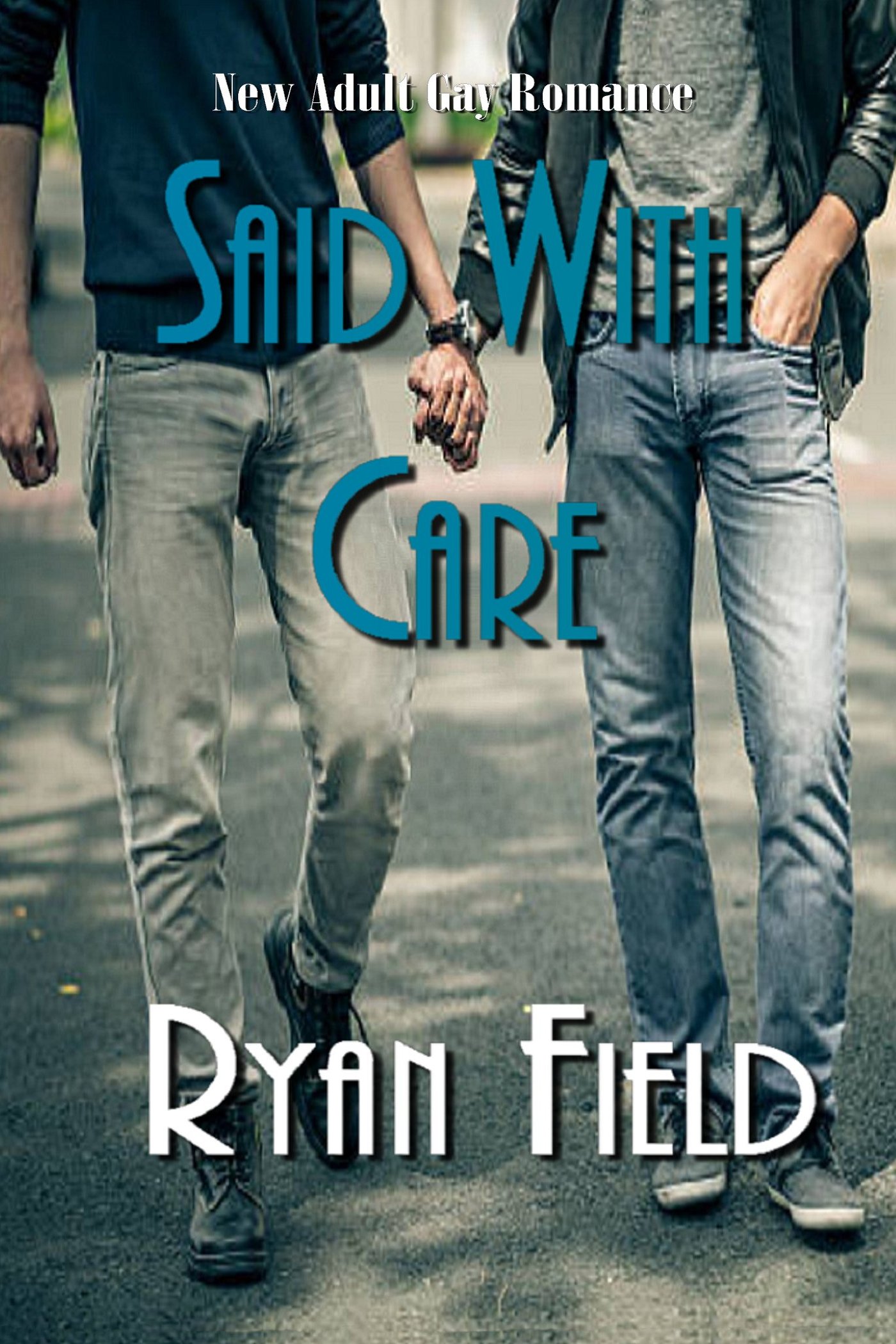
Said With Care
A PG Rated Gay Romance
Not All Gay Books Have Sex
Monday, June 2, 2014
Author Social Media; Republican Joins GLAAD; The Christian Baker
Author Social Media
Here's an article that talks about how authors should use social media. I cross-posted it earlier today on social media and I got around to reading it a few minutes ago and wanted to mention a few things.
First, they talk about Goodreads. (This social media outlet always conjures up the most interesting conversation between authors.)
Goodreads has more than 20 million members and is THE site for authors.
I don't totally agree with that. I thought Goodreads was for readers, so that readers could discuss books and authors and interact with each other without authors jumping into the forum. When I go to Goodreads I go as a reader to leave reviews. I rarely check out my own reviews. I do link the blog to Goodreads and I do think it's important to have a presence on GR, however, I've never thought that GR was THE site for authors. It's more for readers and if you aren't aware of that you might wind up in the middle of the surprise shitstorm of your life.
In any event, the first paragraph goes on to mention other social media like Twitter and Facebook, and then later there are more details and explanations.
But I did find a few things I wanted to comment on.
You want to interact mainly with READERS, NOT writers.
In a general sense this is true...to a certain extent. I didn't always understand this myself and I thought my goal was to interact with readers only. But the truth is that there's only so much interaction you can do with readers before you cross the invisible line, and I've also learned that by interacting with other authors that I've read and I like we develop a sense of loyalty and help each other get information out to readers. It's not like a street team and it's not something we talk about behind the scenes...we don't actually plan it. We just try to get information out to readers through social media without becoming pests. I just deleted an e-mail from an author I know announcing that she has a new blog post. She's not a huge author or a big blogger. Unfortunately, this author thinks she's too grand for facebook or twitter like the rest of us and now she's spamming us with e-mails about her blog posts. That's a huge negative and it took one second to delete it.
But not everything in this article is off base. I did find a few positive things and I still think it's worth reading if you're new and you don't know much about social media. It even goes on to mention Anne R. Allen, a blogger and author I've mentioned here before who gives some excellent advice. Allen has a gift and I've never seen anything on her blog I disagree with.
I think the other thing to really understand is that it takes time to learn how to use social media and you have to learn how to have fun with it. If you're forcing yourself to do it that's how it's going to look.
You can read the entire piece in full here.
Republican Joins GLAAD
Meghan McCain, a Republican pundit and daughter of a Republican, Senator John McCain, recently joined the board of directors for GLAAD. Meghan McCain is a gay woman. She's also one of the new breed of Republicans to break tradition on social issues.
'For years, Meghan McCain has lent her voice and platform to spreading messages of acceptance across party lines,' said GLAAD President and CEO Sarah Kate Ellis.
'Now, as the American south and our heartland move closer to LGBT equality, it's critical that we continue to build the bridges that unite us in our common ground - whether you're republican or democrat, gay or straight.'
Meghan McCain's mother, Cindy McCain, is a gay activist and she actually posed for a same sex marriage campaign.
You can read more here.
It almost sounds as if being gay is not going to continue to be a partisan issue for long.
The Christian Baker
I've posted about these overly religious Christian bakers who think they are the only Christians in the world...as if they actually discovered Christianity. Several have refused to bake gay wedding cakes for same sex couples claiming it violates their right to religious freedom. Each time, courts have ruled against them because it's not legal to discriminate. The ironic part is that these rulings are helping these bakers and they don't even get it. Suppose a gay baker refused to make a cake for a straight Christian wedding. The gay baker wouldn't win that one in court either.
In 2012, Jack Philips, the owner of Masterpiece Cake shop in Lakewood, Colorado, refused to sell a wedding cake to a gay couple David Mullins and Charlie Craig.
This week (30 May), Colorado’s Civil Rights Commission ruled the move was discriminatory and he must serve wedding cakes to all customers in his shop regardless of their sexual orientation.
The baker says he will continue to refuse to bake gay wedding cakes until someone shuts him down.
I still think my original idea should be taken into consideration. Let him refuse to bake gay wedding cakes. But force him to put up a huge sign in his front window that states this in public..."I Will Not Bake Gay Wedding Cakes Because I Believe in Discrimination and I'm Above the Law." This way his religious convictions are not compromised and everyone knows where he stands, in public, and they can either support him or let him go out of business on his own. With more gay men and women coming out it's going to be hard to find someone in the US who isn't related to a gay person, friends with a gay person, or directly linked to a gay person in one way or another.
More here.
Here's an article that talks about how authors should use social media. I cross-posted it earlier today on social media and I got around to reading it a few minutes ago and wanted to mention a few things.
First, they talk about Goodreads. (This social media outlet always conjures up the most interesting conversation between authors.)
Goodreads has more than 20 million members and is THE site for authors.
I don't totally agree with that. I thought Goodreads was for readers, so that readers could discuss books and authors and interact with each other without authors jumping into the forum. When I go to Goodreads I go as a reader to leave reviews. I rarely check out my own reviews. I do link the blog to Goodreads and I do think it's important to have a presence on GR, however, I've never thought that GR was THE site for authors. It's more for readers and if you aren't aware of that you might wind up in the middle of the surprise shitstorm of your life.
In any event, the first paragraph goes on to mention other social media like Twitter and Facebook, and then later there are more details and explanations.
But I did find a few things I wanted to comment on.
You want to interact mainly with READERS, NOT writers.
In a general sense this is true...to a certain extent. I didn't always understand this myself and I thought my goal was to interact with readers only. But the truth is that there's only so much interaction you can do with readers before you cross the invisible line, and I've also learned that by interacting with other authors that I've read and I like we develop a sense of loyalty and help each other get information out to readers. It's not like a street team and it's not something we talk about behind the scenes...we don't actually plan it. We just try to get information out to readers through social media without becoming pests. I just deleted an e-mail from an author I know announcing that she has a new blog post. She's not a huge author or a big blogger. Unfortunately, this author thinks she's too grand for facebook or twitter like the rest of us and now she's spamming us with e-mails about her blog posts. That's a huge negative and it took one second to delete it.
But not everything in this article is off base. I did find a few positive things and I still think it's worth reading if you're new and you don't know much about social media. It even goes on to mention Anne R. Allen, a blogger and author I've mentioned here before who gives some excellent advice. Allen has a gift and I've never seen anything on her blog I disagree with.
I think the other thing to really understand is that it takes time to learn how to use social media and you have to learn how to have fun with it. If you're forcing yourself to do it that's how it's going to look.
You can read the entire piece in full here.
Republican Joins GLAAD
Meghan McCain, a Republican pundit and daughter of a Republican, Senator John McCain, recently joined the board of directors for GLAAD. Meghan McCain is a gay woman. She's also one of the new breed of Republicans to break tradition on social issues.
'For years, Meghan McCain has lent her voice and platform to spreading messages of acceptance across party lines,' said GLAAD President and CEO Sarah Kate Ellis.
'Now, as the American south and our heartland move closer to LGBT equality, it's critical that we continue to build the bridges that unite us in our common ground - whether you're republican or democrat, gay or straight.'
Meghan McCain's mother, Cindy McCain, is a gay activist and she actually posed for a same sex marriage campaign.
You can read more here.
It almost sounds as if being gay is not going to continue to be a partisan issue for long.
The Christian Baker
I've posted about these overly religious Christian bakers who think they are the only Christians in the world...as if they actually discovered Christianity. Several have refused to bake gay wedding cakes for same sex couples claiming it violates their right to religious freedom. Each time, courts have ruled against them because it's not legal to discriminate. The ironic part is that these rulings are helping these bakers and they don't even get it. Suppose a gay baker refused to make a cake for a straight Christian wedding. The gay baker wouldn't win that one in court either.
In 2012, Jack Philips, the owner of Masterpiece Cake shop in Lakewood, Colorado, refused to sell a wedding cake to a gay couple David Mullins and Charlie Craig.
This week (30 May), Colorado’s Civil Rights Commission ruled the move was discriminatory and he must serve wedding cakes to all customers in his shop regardless of their sexual orientation.
The baker says he will continue to refuse to bake gay wedding cakes until someone shuts him down.
I still think my original idea should be taken into consideration. Let him refuse to bake gay wedding cakes. But force him to put up a huge sign in his front window that states this in public..."I Will Not Bake Gay Wedding Cakes Because I Believe in Discrimination and I'm Above the Law." This way his religious convictions are not compromised and everyone knows where he stands, in public, and they can either support him or let him go out of business on his own. With more gay men and women coming out it's going to be hard to find someone in the US who isn't related to a gay person, friends with a gay person, or directly linked to a gay person in one way or another.
More here.
Monday, July 2, 2012
Catherine Ryan Hyde on Writing in the E-Age...
I've posted about author Catherine Ryan Hyde's adventures in self-publishing before. Reading her posts helped me while I was just getting into self-publishing with my first book, "Chase of a Lifetime," with the KDP program at Amazon.
And now she has a new book out with author Anne R. Allen, titled "How to be a Writer in the E-Age and Keep Your Sanity."
It IS a book about how to BE a writer. How to take care of
yourself and avoid getting scammed; how to make sense of criticism; how to build
platform without giving up too much of your writing time--and a whole lot more
about how to navigate the treacherous waters of today's fast-changing publishing
business.
You can read more here at Allen's blog, where there are links for the book on Amazon. I'm thinking of buying this one myself.
Monday, July 9, 2012
"Writing in the E-Age," Writer's Manual, and Hunter Parrish on iTunes...

I posted about Catherine Ryan Hyde's and Anne R. Allen's new writer's manual titled, "How To Be a Writer in the E-Age," last week and wanted to follow up today with a short post. I bought the book over the weekend and I'm halfway through it.
So far, not one complaint. I have to admit that although I haven't learned anything new, what I have read in the book validates a lot of the things I've been doing for the past seven years in e-publishing. In other words, I wish there had been a book like this around seven years ago to help me figure things out instead of learning them all the hard way.
And what I'm liking most about the book is that it covers all angles and even mentioned a lot of the literary agent blogs I've been following for years now. It's not against "trad" publishing; it's not pushing self-publishing either.
One of my blog readers left a comment the other day mentioning that he's not comfortable with self-publishing yet. I know a lot of people who feel that way and they have good reason, too. But books like "How To Be a Writer in the E-Age," help validate self-publishing and they show that self-publishing is no longer regarded in the same way it was ten years ago. It's not vanity publishing anymore either. It's not something people do when they get rejected and can't get published. I have over 94 published works listed on Goodreads with publishers and I decided to self-publish this past year. A lot of authors who have previously worked with publishers are doing it and they all have their own individual reasons. And those reasons have nothing to do with being against traditional publishing.
I will post a final review of this book when I'm finished reading it. But right now, even though I'm only halfway through, I would recommend it to anyone who is just starting out as a writer and needs good solid advice. There's also some kind of a deal that when you buy the book you can sign up for electronic updates every six months, which I'll also post more about in the review. I don't think I've ever seen anything like this done before (but don't quote me). I'm assuming that as publishing changes and evolves, new updates will cover more information as it crops up, so to speak.
Now, the reason why I'm posting about Hunter Parrish's new music on iTunes has to do with the way we are now buying and listening to music. It is a lot like the way we are reading and buying digital books. Hunter Parrish is best known for his part on the TV show, "Weeds," as Silas Botwin. I recently read where he's released his own music on iTunes and it looks as if he's self-publishing them on his own. I could be wrong about this, so don't quote me here either. I couldn't find any information stating it as a fact. But my point is that if Parrish is self-publishing his own music in iTunes, he's not the only one who is doing it. I've posted before about many talented artists who are doing this now. And in many ways it's reflecting the same thing we're now seeing in digital book publishing.
I remember an old friend who wanted to break into the music business. In those days, the best way to do it was to find a DJ (or talent agent) who would be willing to play your demo tape. It was virtually impossible to get a good DJ (or talent agent) to do this, and very few people were able to break into the music industry. Well it was the same way with book publishing until recently. Only instead of getting a DJ (or talent agent) to listen to you, you had to get a literary agent (or editor) to read your work. Again, virtually impossible to do.
The music angle is explained well on this web site:
Just as technological innovations have changed the way that customers buy music, technology also has changed how artists distribute music to their fans. In 2010, one-third of all music sales consisted of digital tracks, with the remaining two-thirds made up of CDs and other physical media [source: Jones]. This enormous digital market has removed one of the largest barriers for musicians trying to enter the market -- money. Artists who once needed the support of a major label to release an album can now self-release music online, or even produce CDs at very little cost.
And here's more about Hunter Parrish and his newly released music:
Hunter Parrish may be best known for playing the enterprising and hunky offspring of pot-dealing mom Nancy Botwin (Mary-Louise Parker) on Showtime’s hit series Weeds, but as it turns out, the actor also moonlights as a singer, releasing his first EP Guessing Games on iTunes today.
Wednesday, December 28, 2016
All Romance E-books Shutters; Ignoring Writing Rules and Rejections; George Michael Rehearsing In l992
All Romance E-books Shutters
Update: I've seen seeing links all day to this topic, and this one goes into great detail.
When I posted about small start up e-publishers shuttering yesterday, I had no idea about this.
It is with a great sadness that we announce the closing of All Romance eBooks, LLC. For the first year since opening in 2006, we will be posting a loss. Despite efforts to maintain and grow our market share, sales and profits have declined. The financial forecast for 2017 isn't hopeful. We've accepted that there is not a viable path forward.
Their sites will go dark on December 31.
You can read the rest here, at the web site. It's a polite message, but this does come as a shock to many people. And, I've seen some backlash. If you do a search on Facebook with the hashtag #allromanceebooks you'll see what I mean. People are not thrilled about this.
I happen to believe that in the future all indie authors will be selling their books on their own web sites, which will benefit readers because the prices will most likely be lower and readers will have direct interaction with authors.
Ignoring Writing Rules and Rejections
I haven't linked to Anne R. Allen's blog in a while, and when I saw this post on social media I couldn't pass it by. It's a post written by Ruth Harris on the topic of rejection, and those so-called writing rules.
Just like a lot of things, rejection isn’t always what it seems to be. Writers need to put that stack of rejection letters into perspective. Sibel Hodge turned 200 rejections into the #1 spot on Amazon’s bestseller list and a great career with Amazon’s imprint, Thomas and Mercer. Joe Konrath got rejected by his publisher even though his books were selling and making money for the company and went on to become an indie superstar making more money than he ever did with a publisher.
If you're an author, you should check this out. I never link to things like this unless I totally agree with the content. Here's the rest.
George Michael Rehearsing In l992
This is one of those vids you'll want to see more than a few times.
The year was 1992, and reeling from the loss of Freddie, the stars aligned for a tribute show for the fallen Queen frontman.
Watch, and feel free to let the tears flow, as George Michael absolutely nails “Somebody to Love.” David Bowie hangs out in the wings, cool as ever, in total approval.
You can watch the video here. It's really that good.
Update: I've seen seeing links all day to this topic, and this one goes into great detail.
When I posted about small start up e-publishers shuttering yesterday, I had no idea about this.
It is with a great sadness that we announce the closing of All Romance eBooks, LLC. For the first year since opening in 2006, we will be posting a loss. Despite efforts to maintain and grow our market share, sales and profits have declined. The financial forecast for 2017 isn't hopeful. We've accepted that there is not a viable path forward.
Their sites will go dark on December 31.
You can read the rest here, at the web site. It's a polite message, but this does come as a shock to many people. And, I've seen some backlash. If you do a search on Facebook with the hashtag #allromanceebooks you'll see what I mean. People are not thrilled about this.
I happen to believe that in the future all indie authors will be selling their books on their own web sites, which will benefit readers because the prices will most likely be lower and readers will have direct interaction with authors.
Ignoring Writing Rules and Rejections
I haven't linked to Anne R. Allen's blog in a while, and when I saw this post on social media I couldn't pass it by. It's a post written by Ruth Harris on the topic of rejection, and those so-called writing rules.
Just like a lot of things, rejection isn’t always what it seems to be. Writers need to put that stack of rejection letters into perspective. Sibel Hodge turned 200 rejections into the #1 spot on Amazon’s bestseller list and a great career with Amazon’s imprint, Thomas and Mercer. Joe Konrath got rejected by his publisher even though his books were selling and making money for the company and went on to become an indie superstar making more money than he ever did with a publisher.
If you're an author, you should check this out. I never link to things like this unless I totally agree with the content. Here's the rest.
George Michael Rehearsing In l992
This is one of those vids you'll want to see more than a few times.
The year was 1992, and reeling from the loss of Freddie, the stars aligned for a tribute show for the fallen Queen frontman.
Watch, and feel free to let the tears flow, as George Michael absolutely nails “Somebody to Love.” David Bowie hangs out in the wings, cool as ever, in total approval.
You can watch the video here. It's really that good.
Valley of the Dudes
Stepbrothers In the Attic by Ryan Field
Monday, January 18, 2016
10 Newbie Writer Mistakes; Nude Alex Minsky; Gay Shopaholic Catfight
10 Newbie Writer Mistakes
I've worked in publishing as an editor and a published author, I have a degree in English with a concentration in Journalism, and I've been around for over twenty years in one capacity or another in publishing...since college when I had my first story published. And that does not make me special. It does not mean I have all the answers. Far from it. I learn something new every single day. The day I stop learning something new about the craft will be the day I stop breathing. I've worked with many good editors over the years and I've learned a great deal from them.
With that said, I see A LOT of bad writing advice on social media, almost daily. It comes from people who make claims they can't back up and there isn't always a scam for money involved. Sometimes it's just someone bloviating nonsense for free on Facebook, from an old 1990s computer in their kitchen, and people will believe him/her just because he/she sounds as if they know better. And the sad fact is they don't. Even sadder, they confuse new writers more than they help them.
I've never believed there are set rules to writing, and I've never followed any set patterns in a general sense. However, there are a few distinctions when it comes to the actual writing (or novel crafting) and if you don't know any better it could prove embarrassing. And there are some things about the technical side of crafting a novel that are there for a purpose. This purpose is usually based on keeping the reader entertained and keeping the story flowing smoothly.
This article to which I'm linking now over at Anne R. Allen's blog talks about 10 things that will flag you as a newbie...if you don't know any better. One of the biggest things I see all the time is bad dialogue. It comes in many forms and this is just one form...
The writer who strains to avoid the word “said” can rapidly slide into bad pun territory, as in the archetypal example from the old “Tom Swift” boys’ books: “‘We must run,’ exclaimed Tom swiftly.”
They were turned into a silly game in the 1960s, promoted by Time Magazine, which invited the public to submit outrageous Tom Swifties like:
“Careful with that chainsaw,” Tom said offhandedly.
“I might as well be dead,” Tom croaked.
So we don’t want to go there by accident. Bad dialogue tags may have crept into your consciousness at an early age from those Tom Swift, Nancy Drew and Hardy Boys books. The books were great fun—I adored them myself—but they were written by a stable of underpaid hacks and although the characters are classic, the prose is not.
You can read the rest of the post here. It doesn't cover all the territory of bad dialogue but it's spot on and I learned a few new things myself from it. And, I think that's important to remember. Don't ever, ever become so old and smug and grand that you think you know it all. That's when it becomes dangerous, because there's always something new to learn.
Do I think there are exceptions to the rules? Yes. I do. However, the only exception for me would be damn fantastic story-telling. Drop dead fantastic story-telling, I think, trumps it all.
Nude Alex Minsky
Here's a link to one of those posts where they show photos with captions of many interesting faces...and sometimes interesting asses. In one of the photos you can see Alex Minksy face down on a table, naked, getting a new tattoo on his behind. It's very ass-y. And who doesn't love Alex Minksy?
And I liked this diet tip from Ashley Parker Angel, even though I don't know who the hell he is.
Diet tip: Carbohydrates have the greatest effect on fat storage / fat loss -- healthy carbs like oatmeal, brown rice and sweet potato will keep you lean. Hardest part for me is giving up bread.
It's true, what he says, this Ashley Parker Angel dude. I know this because I haven't had a piece of bread or pasta since Bush was in office. You will lose weight, and you'll most likely feel better.
You can check out the rest here.
Gay Shopaholic Catfight
This is one of those posts that cause many gay men to cringe. It might cause anyone from the PC police to cringe. However, I thought it was funny, even if you don't understand the language, and that's why I'm sharing it.
People go on shopping sprees for a variety of reasons, but is it mostly to fill the lack of love in their lives? Entertainer Idan Matalon and So You Think You Can Dance contestant Asaf Goren get to the bottom of this debate while lip-syncing to one of their favorite telenovelas. Naturally it ends in a very dramatic dance-off.
You can watch the video here.
If you can't laugh at this one, you might have your head up your proverbial PC behind a little too far :)
I've worked in publishing as an editor and a published author, I have a degree in English with a concentration in Journalism, and I've been around for over twenty years in one capacity or another in publishing...since college when I had my first story published. And that does not make me special. It does not mean I have all the answers. Far from it. I learn something new every single day. The day I stop learning something new about the craft will be the day I stop breathing. I've worked with many good editors over the years and I've learned a great deal from them.
With that said, I see A LOT of bad writing advice on social media, almost daily. It comes from people who make claims they can't back up and there isn't always a scam for money involved. Sometimes it's just someone bloviating nonsense for free on Facebook, from an old 1990s computer in their kitchen, and people will believe him/her just because he/she sounds as if they know better. And the sad fact is they don't. Even sadder, they confuse new writers more than they help them.
I've never believed there are set rules to writing, and I've never followed any set patterns in a general sense. However, there are a few distinctions when it comes to the actual writing (or novel crafting) and if you don't know any better it could prove embarrassing. And there are some things about the technical side of crafting a novel that are there for a purpose. This purpose is usually based on keeping the reader entertained and keeping the story flowing smoothly.
This article to which I'm linking now over at Anne R. Allen's blog talks about 10 things that will flag you as a newbie...if you don't know any better. One of the biggest things I see all the time is bad dialogue. It comes in many forms and this is just one form...
The writer who strains to avoid the word “said” can rapidly slide into bad pun territory, as in the archetypal example from the old “Tom Swift” boys’ books: “‘We must run,’ exclaimed Tom swiftly.”
They were turned into a silly game in the 1960s, promoted by Time Magazine, which invited the public to submit outrageous Tom Swifties like:
“Careful with that chainsaw,” Tom said offhandedly.
“I might as well be dead,” Tom croaked.
So we don’t want to go there by accident. Bad dialogue tags may have crept into your consciousness at an early age from those Tom Swift, Nancy Drew and Hardy Boys books. The books were great fun—I adored them myself—but they were written by a stable of underpaid hacks and although the characters are classic, the prose is not.
You can read the rest of the post here. It doesn't cover all the territory of bad dialogue but it's spot on and I learned a few new things myself from it. And, I think that's important to remember. Don't ever, ever become so old and smug and grand that you think you know it all. That's when it becomes dangerous, because there's always something new to learn.
Do I think there are exceptions to the rules? Yes. I do. However, the only exception for me would be damn fantastic story-telling. Drop dead fantastic story-telling, I think, trumps it all.
Nude Alex Minsky
Here's a link to one of those posts where they show photos with captions of many interesting faces...and sometimes interesting asses. In one of the photos you can see Alex Minksy face down on a table, naked, getting a new tattoo on his behind. It's very ass-y. And who doesn't love Alex Minksy?
And I liked this diet tip from Ashley Parker Angel, even though I don't know who the hell he is.
Diet tip: Carbohydrates have the greatest effect on fat storage / fat loss -- healthy carbs like oatmeal, brown rice and sweet potato will keep you lean. Hardest part for me is giving up bread.
It's true, what he says, this Ashley Parker Angel dude. I know this because I haven't had a piece of bread or pasta since Bush was in office. You will lose weight, and you'll most likely feel better.
You can check out the rest here.
Gay Shopaholic Catfight
This is one of those posts that cause many gay men to cringe. It might cause anyone from the PC police to cringe. However, I thought it was funny, even if you don't understand the language, and that's why I'm sharing it.
People go on shopping sprees for a variety of reasons, but is it mostly to fill the lack of love in their lives? Entertainer Idan Matalon and So You Think You Can Dance contestant Asaf Goren get to the bottom of this debate while lip-syncing to one of their favorite telenovelas. Naturally it ends in a very dramatic dance-off.
You can watch the video here.
If you can't laugh at this one, you might have your head up your proverbial PC behind a little too far :)
The Rainbow Detective Agency
Saying Goodbye
Subscribe to:
Posts (Atom)